Planning a 1-month itinerary in Africa is an ambitious project that requires a shift in mindset—from “seeing everything” to “feeling everywhere.”
Short answer: To avoid travel burnout, you must limit your route to 3 anchor regions and commit to longer stays.
In this guide, I’ll share how to structure a realistic 30-day journey, why timing dictates your safari choice, and the specific logistics that can make or break your African experience.
Quick Summary: 1-Month Itinerary in Africa Strategy (Read This First)
- Ideal Pace: 3 main regions (approx. 10 days each)
- Primary Focus: 1 month in Africa itinerary for wildlife & depth
- Key Decision: Serengeti vs. Maasai Mara (Based on the Great Migration calendar)
- Budget Tip: Mix luxury reserve stays with local logistical hubs
- Not Ideal For: Travelers seeking a “10-country-in-30-days” checklist
Why Your 1 Month in Africa Itinerary Demands Structure
Africa is the world’s second-largest continent, covering over 20% of Earth’s land surface. One of the biggest mistakes first-timers make when planning a 1 month in Africa itinerary is underestimating distances. Flying from Cape Town to Cairo takes over 11 hours, and even a “short” regional flight like Nairobi to Cape Town is a 6-hour commitment.
Unlike Europe, where you can hop between cities in two hours, Africa rewards structure. Seasons matter. Migration windows matter. Logistics shape the experience as much as the destination itself. If you rush, you don’t save time; you only lose the energy needed to appreciate the landscape.
The “Three Anchors” Strategy for a Realistic Route
To build a sustainable 1 month in Africa itinerary, I recommend choosing three “anchors”—major regions that justify the long-haul travel time. This allows for about 10 days per region, including transit and recovery.
Anchor 1: The Safari Heart (Tanzania or Kenya)
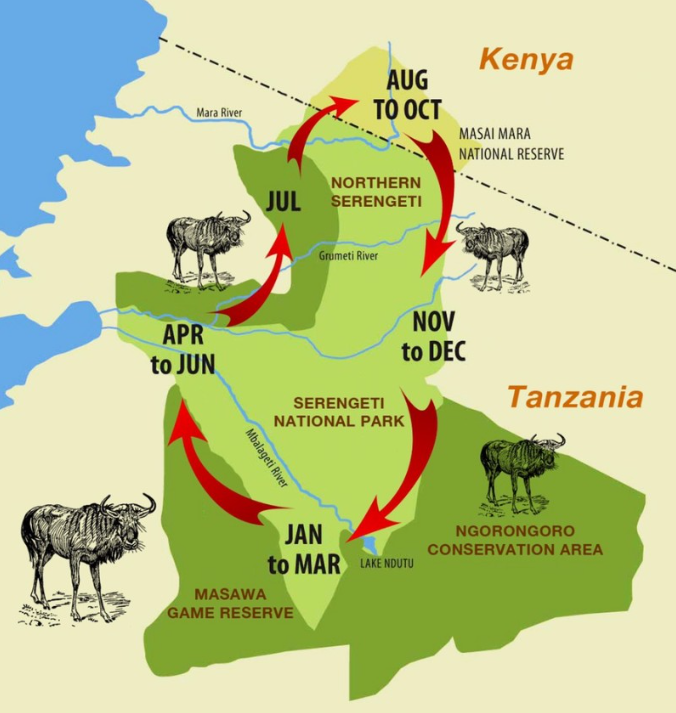
This is usually the emotional core of any Africa trip. However, the choice between the Serengeti and the Maasai Mara isn’t about which is “better”—it’s about when you are going.
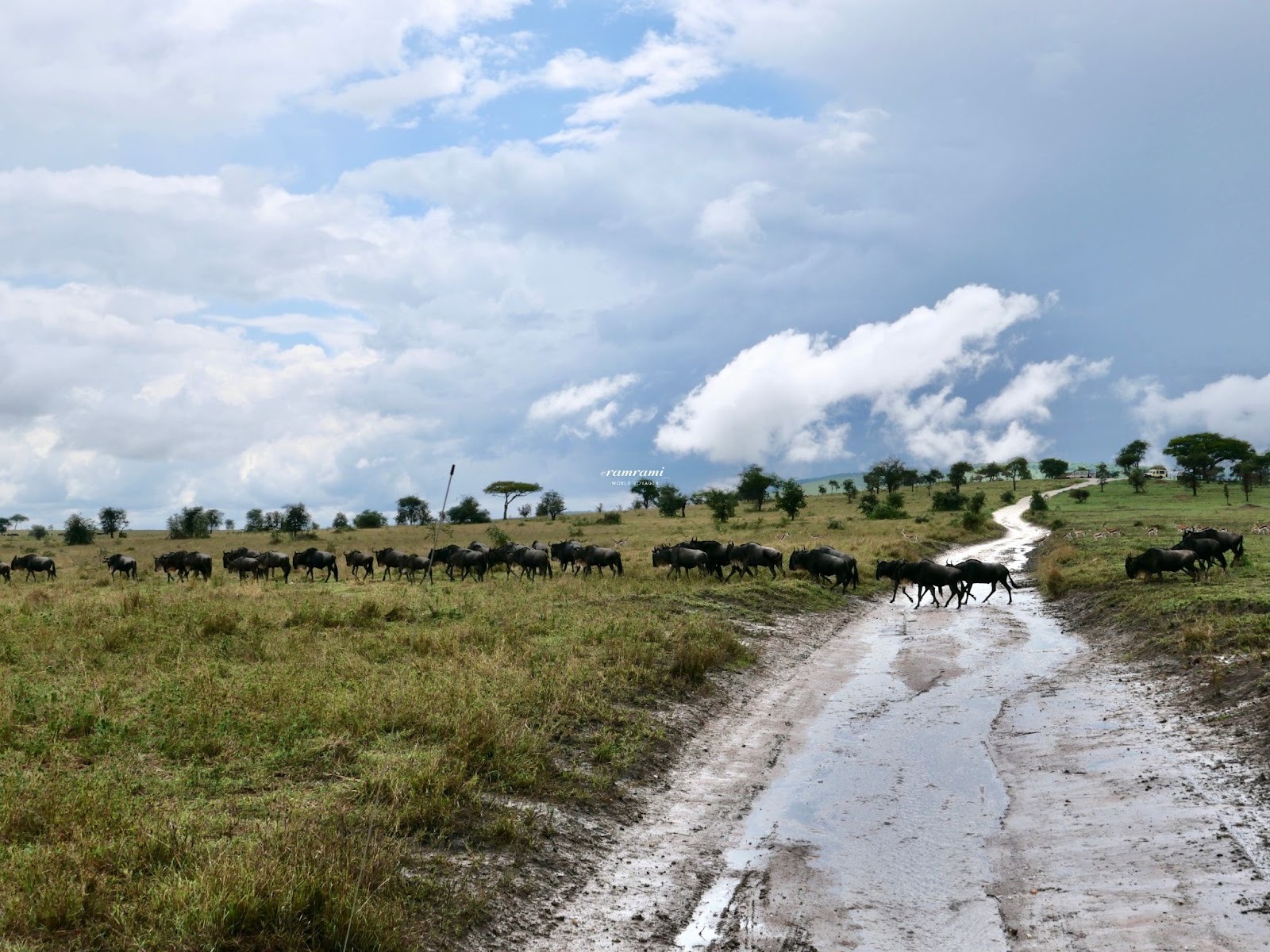
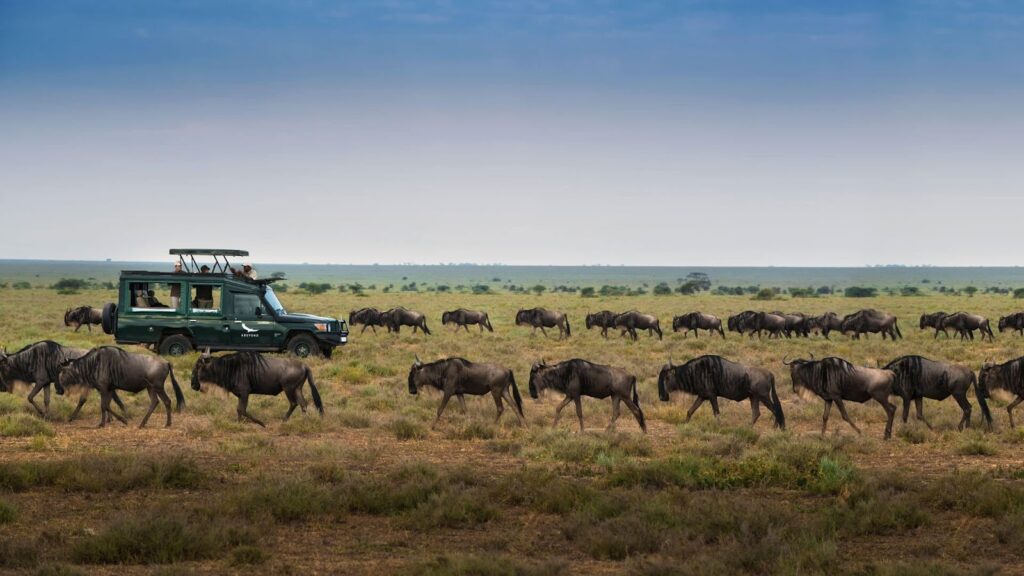
- Serengeti (Tanzania): Best from January to June for the calving season and the start of the trek.
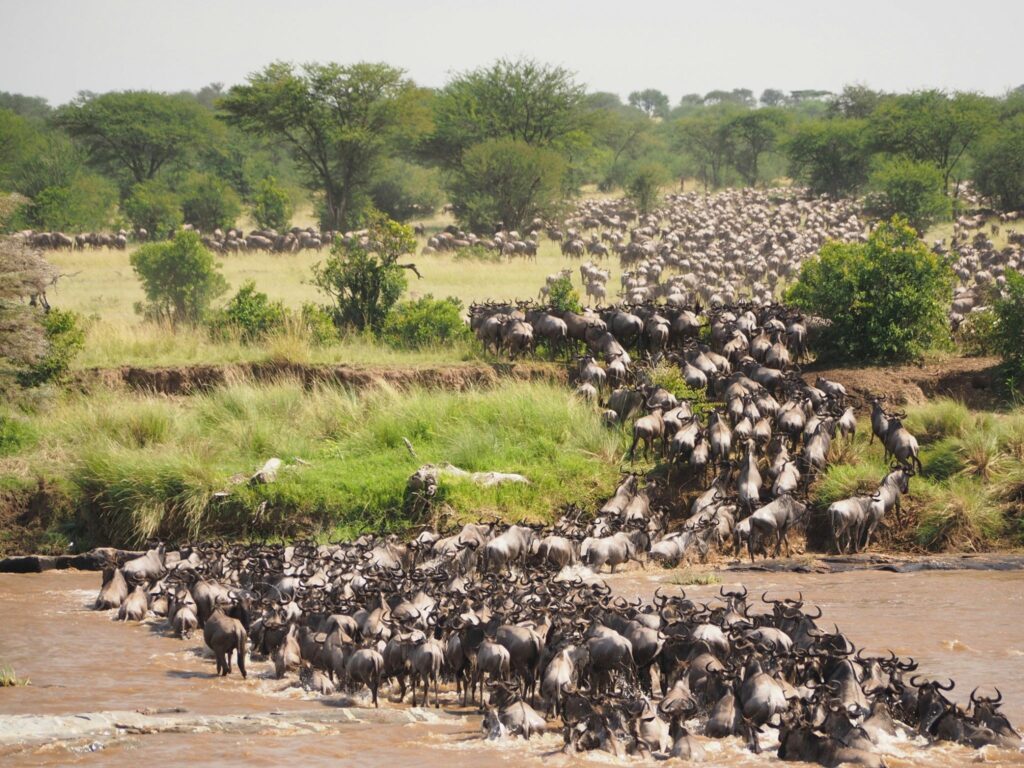
- Maasai Mara (Kenya): Best from July to October for the dramatic river crossings.
- Deep Dive: If you are struggling to decide between these two countries, check out my detailed comparison on Masai Mara vs. Serengeti: Which Safari Should You Choose?.
Anchor 2: The Physical Scale (Victoria Falls)
Victoria Falls, sitting between Zambia and Zimbabwe, is more than a quick photo op. To truly feel the scale, you need at least 3 to 4 days here.
- Pro Tip: Experience both sides. The Zimbabwe side offers the classic “postcard” views, while the Zambian side allows you to get closer to the water’s edge.
- Visa Insight (2026): As of 2026, the KAZA Univisa remains the best value at $50, especially since standard single-entry visa fees have increased to match it. It allows seamless travel between Zambia and Zimbabwe for 30 days. You can check the latest eligibility and apply for a combined permit at the official KAZA Univisa website.
Anchor 3: The Urban Balance (Cape Town or Nairobi)
A full month of wilderness can be mentally taxing. Including a cosmopolitan hub allows you to reset. Cape Town, with its blend of Table Mountain hikes and world-class vineyards, provides the perfect contrast to the ruggedness of a safari.
Real Experience: Why Staying Inside the Reserve is Non-Negotiable
Where you stay affects your daily rhythm. During our planning for this 1 month in Africa itinerary, we realized that accommodation is a strategic choice, not just a place to sleep.

- Staying outside the reserve: This works better for travelers focused on cost efficiency. However, you will spend hours queuing at the gate every morning and evening.
- Staying inside the reserve: This makes more sense when immersion is the priority. Waking up to the sound of lions nearby and starting your game drive at sunrise without a commute changes the entire soul of the trip.
It’s not ideal for travelers who need 24/7 high-speed internet or the constant buzz of a city, but for wildlife lovers, it is an essential part of a burnout-free journey.
Logistics, Costs, and Reality Checks for 2026
When you commit to a 1 month in Africa itinerary, your budget will be tested by “hidden” logistics.
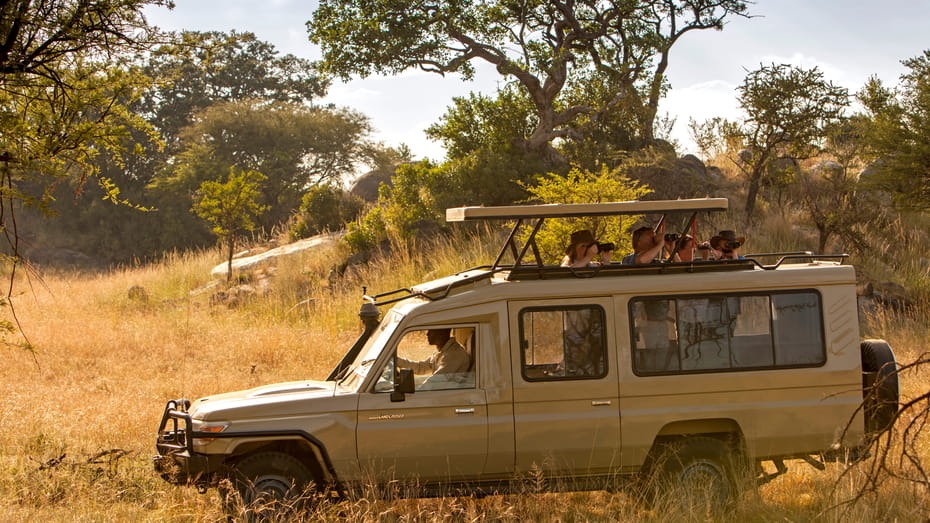
- Internal Flights: Regional bush planes are expensive but necessary to avoid 12-hour bumpy road transfers.
- Park Fees: These can range from $60 to $150 per person per day. For a detailed breakdown of 2026 costs, refer to my guide on Kenya National Park Fees.
- Tipping Culture: Professional guiding is the backbone of a safari. Budget at least $20-$30 per day for your guide and lodge staff.
- Entry Requirements: Most travelers now need to file their paperwork at least 2 weeks in advance through the official Kenya eTA portal.
Who This One-Month Plan Works Best For
This approach fits travelers who want Africa to feel grounded, not chaotic.
- Ideal for: Those who care more about depth than country count and want wildlife timing to shape the route.
- Skip if: You hate long transfers, dislike unpredictability, or want a “low-effort” holiday where everything is within walking distance.
Conclusion: Africa Rewards Intention
The decision is simple: Africa deserves time. By choosing a 1 month in Africa itinerary focused on three anchors, you ensure that you aren’t just passing through landmarks, but actually staying long enough to understand them.
Stop counting countries and start counting the mornings you wake up to the sound of the wild. Africa is a clear decision, not a finished plan—make sure your itinerary reflects that.