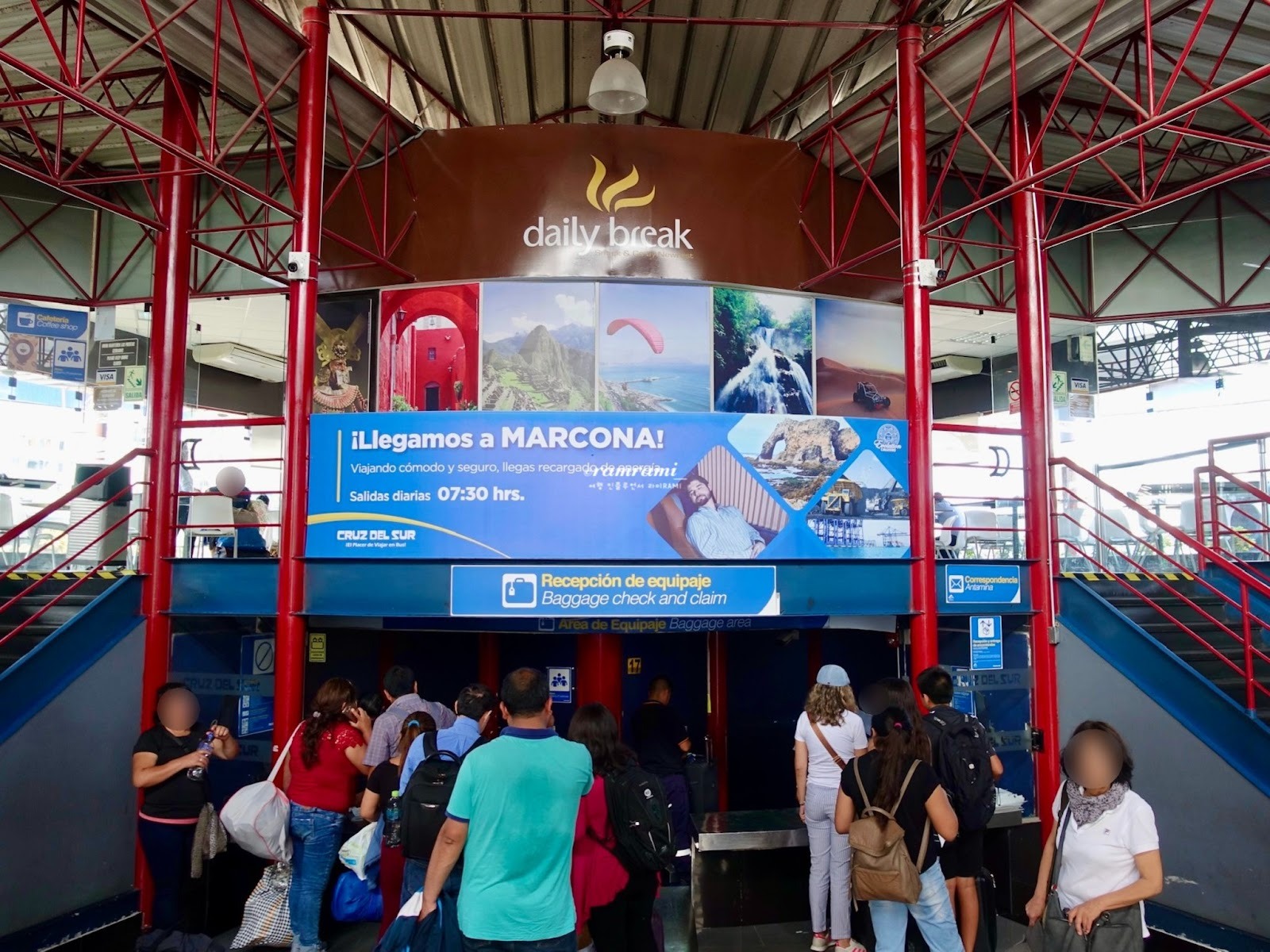
Many people ask, “Is Lima safe for first-time travelers?” while planning their first South American adventure. Traveling to this continent often comes with mixed emotions—excitement about a new world, but also unease shaped by endless warnings online.
Lima is not a city that feels outright dangerous, but it is one that constantly reminds you to stay aware. This post provides a practical, experience-based look at how safety in Lima actually feels during your first days on the ground, moving beyond the fear-based narratives of online group chats.
Quick Verdict: My 3 Safety Criteria for Lima
Before diving into details, I evaluate Lima safety for first-time travelers based on these three rigid criteria. If you satisfy these, your risk level drops significantly.
| Criteria | Stay Safe Strategy | Why it Matters |
| Location | Stick to Miraflores, Barranco, and San Isidro | These areas have high police presence (Serenazgo). |
| Transport | Use Uber or Cabify only | Street taxis are unregulated and prone to scams. |
| Awareness | No smartphones near the road | “Phone snatching” by motorbikes is the most common crime. |
1. Neighborhood Guide: Where to Stay & Where to Avoid
To understand if Lima is safe, you must understand its geography. Not all districts are created equal.
Miraflores (The Safest Hub)
Most first-time travelers stay here, and for good reason. In neighborhoods like Miraflores, the city feels modern and well-organized. Wide roads, clean sidewalks, and upscale buildings give the impression of a polished capital city.
- Safety Level: High. You can walk here at night with reasonable caution.
- Pro Tip: Stick to the Malecón area and near Parque Kennedy.
Barranco (The Artistic Soul)
Barranco feels bohemian and relaxed. During the day, it is perfectly safe for photography and cafe-hopping.
- Safety Level: Moderate to High.
- Caution: Stick to the main tourist path near the “Bridge of Sighs.” Side streets can become quiet and isolated quickly after dark.
Historic Center (The “Daytime Only” Zone)
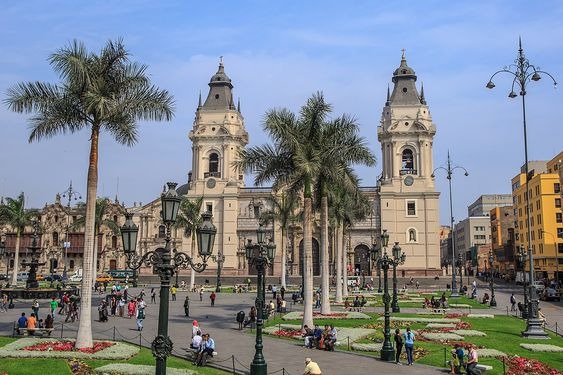
The architecture is stunning, but the atmosphere shifts quickly as the sun goes down.
- Practical Advice: Visit the Plaza de Armas during the day, but take an Uber back to Miraflores before 6 PM. Avoid walking alone in empty alleys here.
2. The Cultural Context: Understanding Lima’s “Wall Culture”
One of the first things a first-time traveler notices in Lima—even in the wealthiest parts of Miraflores or San Isidro—is the architecture of security. High metal fences, barbed wire, and even broken glass embedded on top of walls are common sights.
To an outsider, this can look like a city under siege, sparking immediate anxiety. However, understanding the cultural context of these walls is key to balancing your perception of safety in Lima.
Prevention as a Way of Life
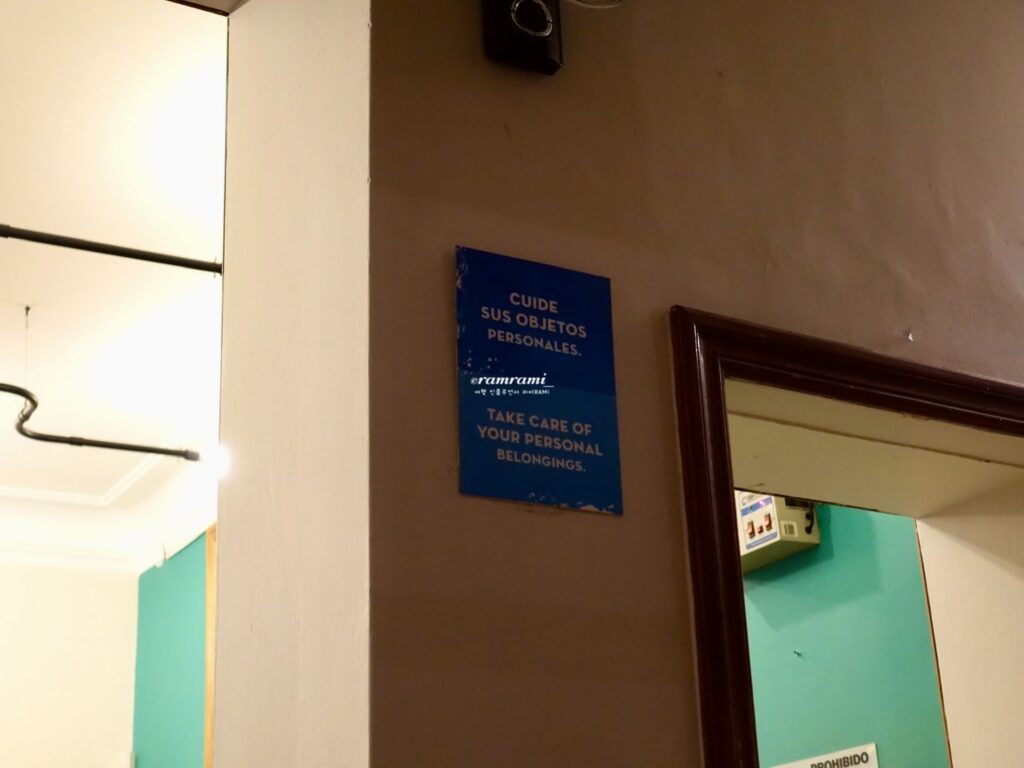
In Peru, these walls aren’t necessarily a sign of an active “danger zone.” Instead, they reflect a cultural philosophy of prevention over reaction. Locals don’t wait for a problem to occur; they design their environment to discourage it from the start.
I spoke with a local who explained it simply: “The wall isn’t because I’m afraid of my neighbor; it’s because I value my peace.” For Limeños, security measures are as routine as locking a car door. It’s a collective standard of caution that has been ingrained in the urban lifestyle for decades.
The “Invisible” Security
Beyond the physical walls, there is a layer of “invisible” security. In tourist areas, you will see Serenazgo (municipal security) on almost every corner. Their presence isn’t meant to alarm you, but to provide a visible deterrent. As a traveler, seeing these fences and guards shouldn’t make you feel like you are in a war zone. Instead, let them be a reminder of the local standard: Stay aware, but stay moving.
For the latest official safety updates and crime trends, you can refer to the Security Alerts from the U.S. Embassy in Lima.
3. Practical Logistics: Getting Around Safely
Transportation is where most travelers feel the most vulnerable. In Lima, safety isn’t about paranoia; it’s about choosing the right tools.
- Avoid Street Taxis: Never wave down a taxi on the street. They lack GPS tracking and fixed pricing.
- Use Apps: Uber and Cabify are the gold standards here. They provide a digital trail and a set price, which is essential for first-time travelers in Lima.
- Intercity Travel: If you are planning to head south after Lima, safety remains a priority. Check out my detailed guide on Cruz del Sur Bus in Peru: Booking, Seats, Refunds & Survival Tips (2026 Guide) to ensure your long-distance journey is as safe as your city stay.
- Route Safety: For those heading to the desert, I’ve analyzed the specific risks here: Lima to Ica by Bus: Is It Safe? Avoid These Common Scams (2026).
4. Is Lima Safe at Night? My Evening Experience
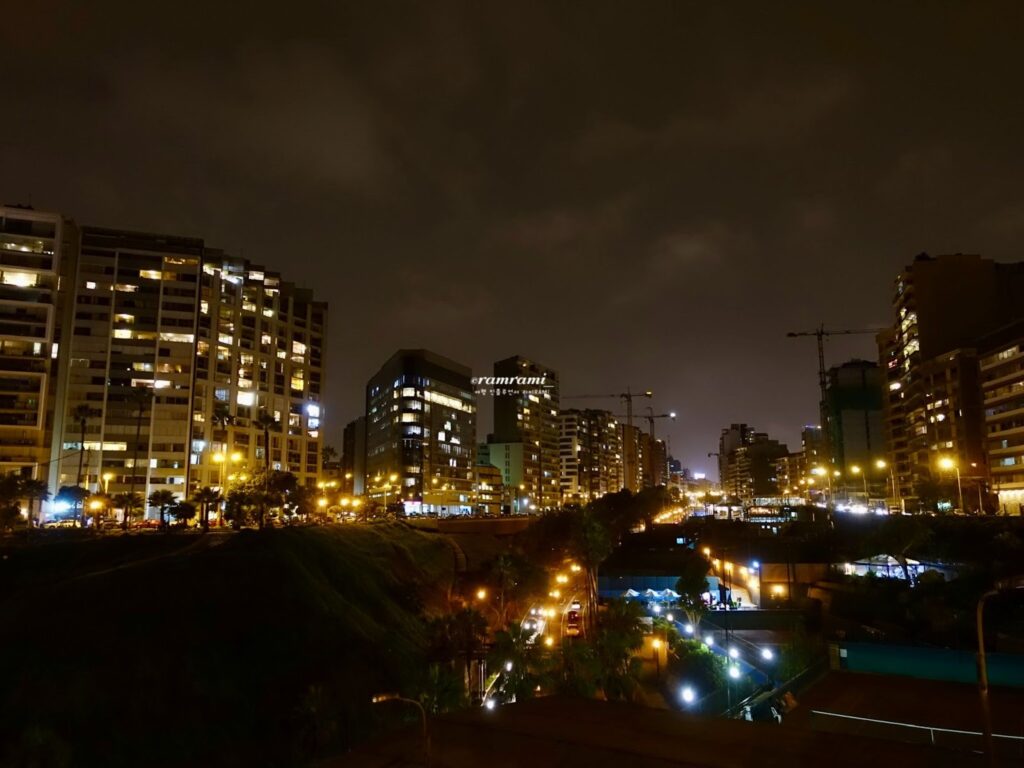
At night, Lima continues to sit on the line between comfort and caution. We stayed near parks and shopping areas like Larcomar, which made evening walks feel reasonable.
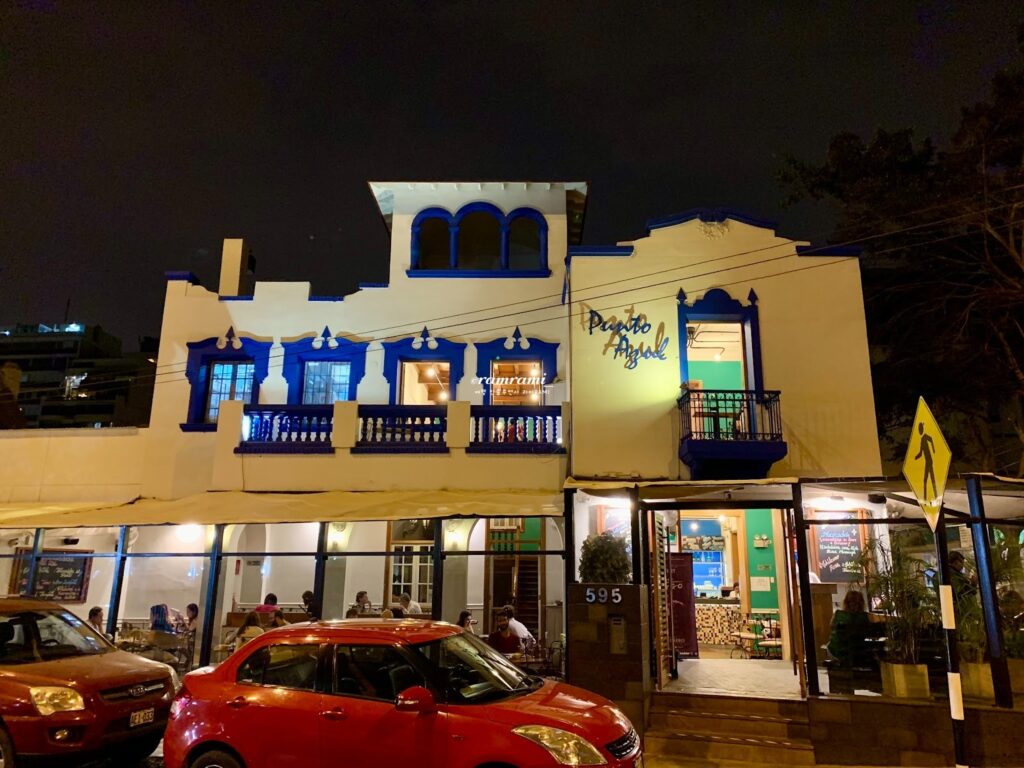
Sitting at Parque del Amor by the coast, watching city lights reflect off the ocean, I felt calm—but alert. Larcomar is modern, lively, and full of families—completely different from the mental image I had formed before arriving. If you’ve handled a Huacachina Desert Tour: Worth It or a $50 Trap? (2026) or navigated the streets of Milan, Lima’s evening vibe will feel manageable.
5. FAQ: Lima Safety for First-Time Travelers
Q: Is it safe to use my phone for Google Maps on the street?
A: It is better to step inside a shop or cafe to check your phone. Motorbike-based snatching is common if you stand near the curb with your phone out.
Q: Can I drink the tap water in Lima?
A: No. Always stick to bottled or filtered water to avoid “traveler’s stomach,” which can be a different kind of safety issue!
Q: Is Lima safe for solo female travelers?
A: Generally yes, especially in Miraflores and San Isidro. However, always use ride-hailing apps at night instead of walking alone in unfamiliar areas.
Q: What about the safety of flights like the Nazca Lines?
A: Crime isn’t the only safety concern in Peru. For flight safety and motion sickness tips, see my post: Nazca Lines Flight: Who Should NOT Take It?.
Conclusion: Stay Present, Not Fearful
Lima isn’t simply “safe” or “unsafe.” It’s a city where location, time of day, and situational awareness matter more than fear. If you stay in well-known neighborhoods and avoid unnecessary risks, Lima is an incredible starting point for Peru.
In the end, Lima teaches you something valuable: stay present—not fearful, but attentive.