Quick Summary
South Africa safety in 2026 requires active risk management.
It is worth visiting only if you are comfortable operating in higher-crime environments with structured logistics.
South Africa in 2026 is not unsafe — but it is not relaxed.
This guide focuses strictly on whether visiting South Africa — especially Cape Town — makes sense right now. It does not cover itineraries.
South Africa Safety in 2026 Is a Structural Variable
South Africa safety is not about isolated headlines. It reflects a higher baseline crime rate compared to most European or East Asian destinations.
As of January 2026, major Western travel advisories maintain an “Exercise Increased Caution” level nationwide, with elevated warnings in certain provinces. Violent crime and vehicle-related incidents remain meaningful factors in travel planning.
Below is a simplified 2026 risk snapshot.
Risk Snapshot (2026)
| Risk Area | What It Means for Travelers | Practical Adjustment |
| Urban Walking | Higher exposure outside core tourist zones | Use Uber or drive |
| Traffic Intersections | Carjackings at red lights | Leave escape space between cars |
| Vehicle Crime | Smash-and-grab incidents | Keep zero valuables visible |
| Digital Fraud | Card skimming and ATM scams | Use mobile/virtual payments |
| Hiking Trails | Solo hiking discouraged in some areas | Go in small groups only |
Tourists are not automatically targeted.
But exposure probability is structurally higher.
That’s the part many glossy travel guides don’t emphasize.
Cape Town: Controlled Zones, Variable Risk
Cape Town is the most recommended destination in South Africa. It is also where many visitors lower their guard.
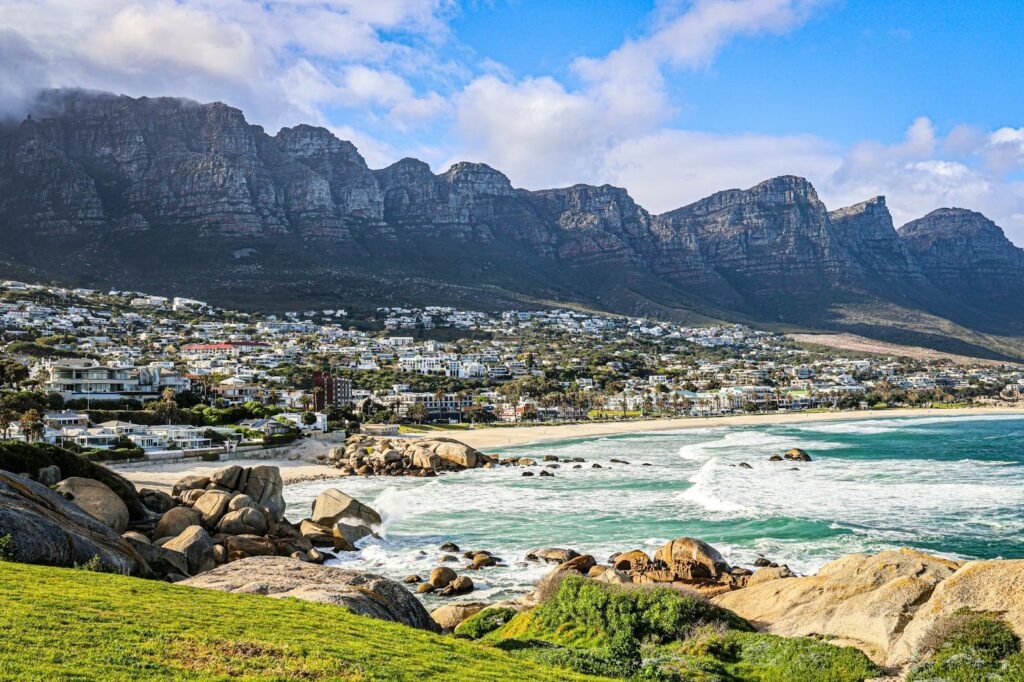
Areas such as the V&A Waterfront and Camps Bay are monitored and generally feel secure. Risk increases in transitional neighborhoods, quiet streets, and after dark.
Solo night walking outside central areas increases exposure.
Solo hiking on Table Mountain is frequently discouraged.
It is not ideal for travelers who value spontaneous evening exploration.
Safety here depends heavily on time, location, and behavior.
Driving Is Necessary — and Not Risk-Free
Public transportation is not practical for most visitors. Renting a car is close to mandatory.
Driving offers autonomy but shifts risk toward vehicle-related crime. Common precautions include:
- Leaving space at intersections
- Avoiding night driving where possible
- Keeping interiors completely clear of valuables
These are active safety habits, not optional suggestions.
The trade-off is simple: control comes with vigilance.
The Hidden Cost: Mental Load
South Africa safety changes how you travel.
You plan routes more carefully.
You hide devices automatically.
You think about exits and lighting.
If your style is relaxed and improvisational, this may feel restrictive.
If you are structured and purpose-driven, it becomes manageable.
Your tolerance for that difference matters more than crime statistics alone.
From a traveler’s perspective, the difference is subtle — but constant.
Practical Decision Block
Best for:
Experienced travelers comfortable in higher-crime destinations
Minimum required:
Secure accommodation + rental car + zero visible valuables
Not ideal for:
First-time long-haul travelers seeking low-stress urban wandering
Avoid if:
You dislike driving abroad or feel uneasy in high-alert settings
Worth it if:
You prioritize landscape, wildlife, and coastal scenery over nightlife freedom
Final Verdict: A Conditional Yes
South Africa safety in 2026 does not equal “do not go.”
It requires conscious planning and realistic expectations.
If you go, go prepared — not paranoid.
If you are willing to structure transport, choose secure properties, avoid night wandering, and stay alert, South Africa can be worth it.
If you want a low-vigilance, walk-anywhere experience, destinations like Namibia or Botswana may align better.
South Africa is not a “No.”
It is a Conditional Yes.
Choose based on risk tolerance — not curiosity alone.