Quick Summary
Kenya national park fees in 2026 have ended the budget safari era in flagship reserves. Masai Mara now costs $200 per adult per day under a strict 12-hour system, making timing as important as wildlife. Kenya remains worth it—but only if you plan with precision.
1. Masai Mara: The $200 Baseline
The updated Kenya national park fees have effectively doubled peak-season access to the Masai Mara. Pricing is now fixed, seasonal, and non-negotiable.
| Season | Adult Fee (Per 12h) | Child Fee (9–17y) | Verdict |
| Peak (July – Dec) | $200 | $50 | 🔴 High Cost |
| Low (Jan – June) | $100 | $50 | 🟢 Better Value |
The Reality Check
A 2-night safari for a couple in August:
$200 × 2 days × 2 people = $800 in Kenya national park fees alone.
This excludes lodge accommodation, vehicle hire, and balloon landing fees ($50–$80).
In 2026, entry timing is not a small detail—it is a cost variable. Arriving at 3 PM on Day 1 means you have effectively paid close to $100 per hour for your first evening drive.
The fee is no longer symbolic. It sets your minimum budget before you choose anything else.
2. The 12-Hour Rule vs. 24-Hour Validity
One of the most important changes in the Kenya national park fees structure is the validity system—and it differs by management authority.
Masai Mara (Narok County Managed):
Operates under a strict 12-hour calendar-day model (6:00 AM – 6:00 PM). Departure is required by 10:00 AM on your final day. Staying beyond triggers another full-day charge ($200).
KWS-Managed Parks (Amboseli, Tsavo, Nairobi NP):
Most Kenya Wildlife Service parks continue to operate under a 24-hour rolling validity structure, although enforcement is becoming tighter.
This management distinction explains why flexibility varies across Kenya. Understanding which authority governs your park is essential when calculating real entry value.
The Strategy:
To optimize your Kenya national park fees, confirm exit timing with your lodge in advance. If you are staying outside the reserve, your ticket typically allows single-entry access only.
3. Kenya National Park Fees 2026: Major Benchmarks
Masai Mara now clearly sits at the premium tier. Other major parks follow a lower—but still elevated—pricing structure.
| National Park | Peak (Adult) | Low (Adult) | Model |
| Masai Mara | $200 | $100 | 12h (Calendar) |
| Amboseli / Nakuru | $90–100 | $80 | 24h (Rolling) |
| Nairobi National Park | $80–100 | $80 | 24h (Rolling) |
| Tsavo East / West | $80 | $80 | 24h (Rolling) |
| Meru / Aberdare | $70–80 | $70 | 24h (Rolling) |
Nairobi National Park stands out as a strategic alternative. If $200 per day feels excessive, a Nairobi day trip offers lower-cost wildlife access without requiring a multi-day safari commitment.
The 2026 entry framework creates clear tiers: flagship reserves versus accessible urban or wilderness parks.
4. Kenya vs. Regional Alternatives in 2026
Kenya works better for travelers who:
- Want dense predator sightings in a compact area
- Prefer short fly-in logistics (e.g., Wilson Airport to Mara)
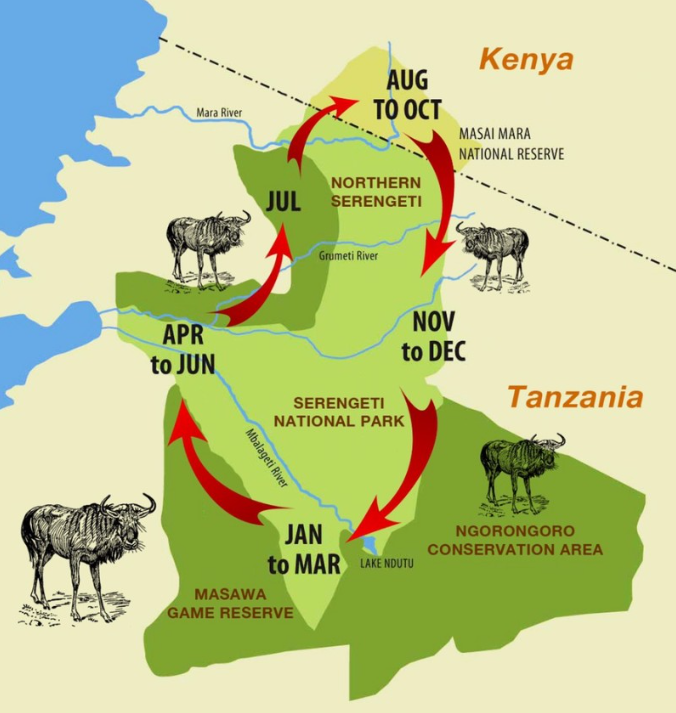
- Are targeting the Great Migration specifically (July–September)
Tanzania or Namibia make more sense if you:
- Prefer vast overland circuits or self-drive independence
- Want fewer strict 10 AM exit-time pressures
- Accept comparable overall expedition costs with different timing rules
Kenya is no longer the “cheaper” safari neighbor. The decision now depends on structure, not just scenery.
Practical Budget Floor (2026)
To understand the full impact of Kenya national park fees, consider realistic mid-range daily estimates (including lodge, vehicle, and entry):
Masai Mara (Peak Season):
$750 – $950 per person / day
Amboseli / Tsavo:
$500 – $650 per person / day
Nairobi National Park (Day Trip Total):
$180 – $220 per person
Worth It If:
You prioritize high predator density within a short 3–5 day safari window.
Skip If:
You are strictly budget-driven or dislike rigid calendar-based entry systems.
Final Verdict
The Kenya national park fees 2026 structure reflects a deliberate shift toward high-value, low-impact tourism.
Masai Mara remains one of the most concentrated wildlife ecosystems in Africa. But it is no longer casual travel—it is a precision purchase.
Plan accurately, and it delivers.
Plan loosely, and it becomes expensive quickly.
In 2026, Kenya is no longer the affordable safari option.
It is the deliberate one.