Quick Verdict
Is Reykjavik worth it?
Yes — for two nights.
Not because it competes with waterfalls or glaciers.
But because it sets the pace for the entire country.
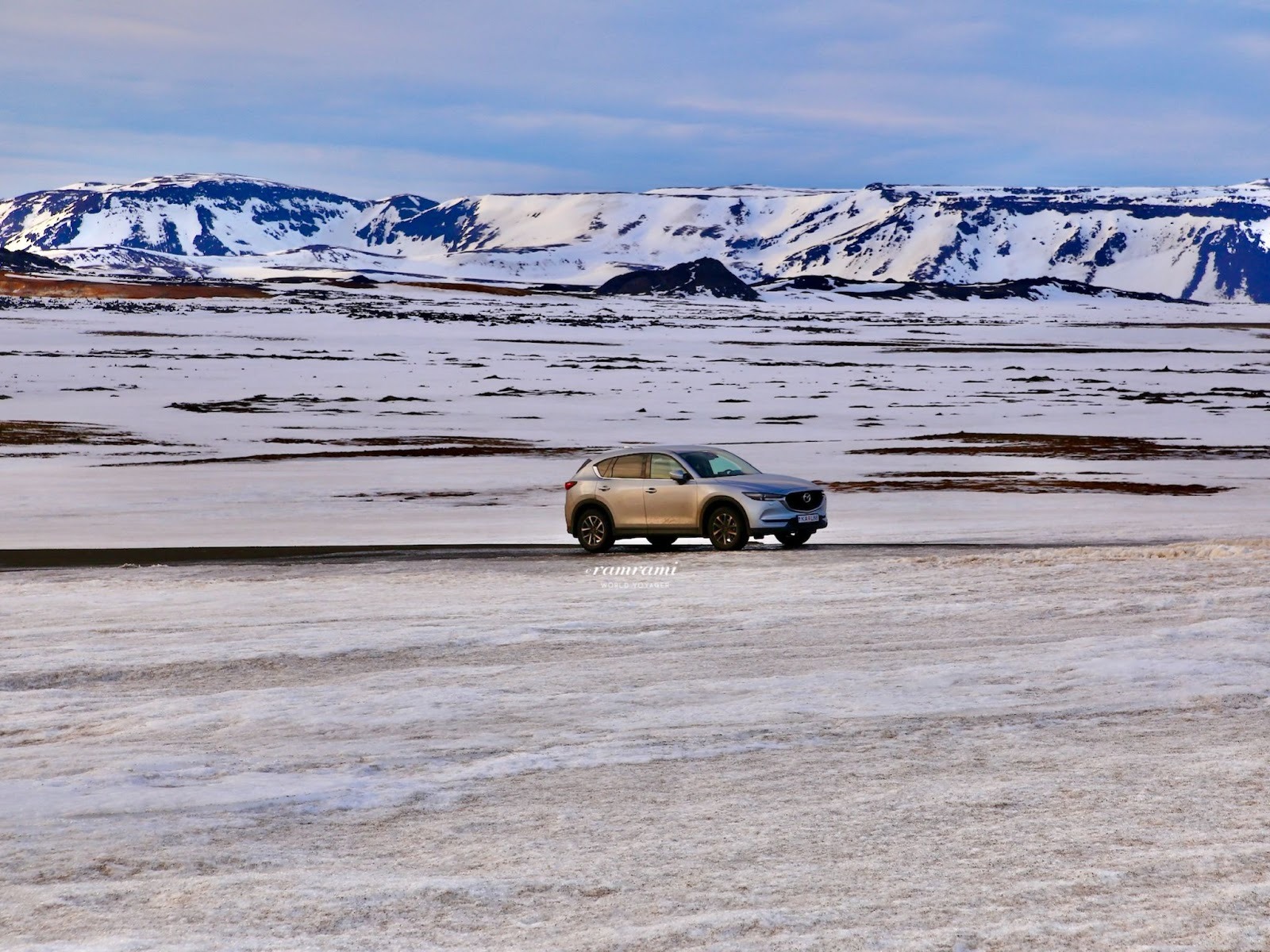
Stay if you value safety, walkability, and mental clarity before the 1,332 km Ring Road.
Shorten your stay if you are on a strict five-day, nature-only schedule.
Most travelers treat Reykjavik as logistics.
Land.
Sleep.
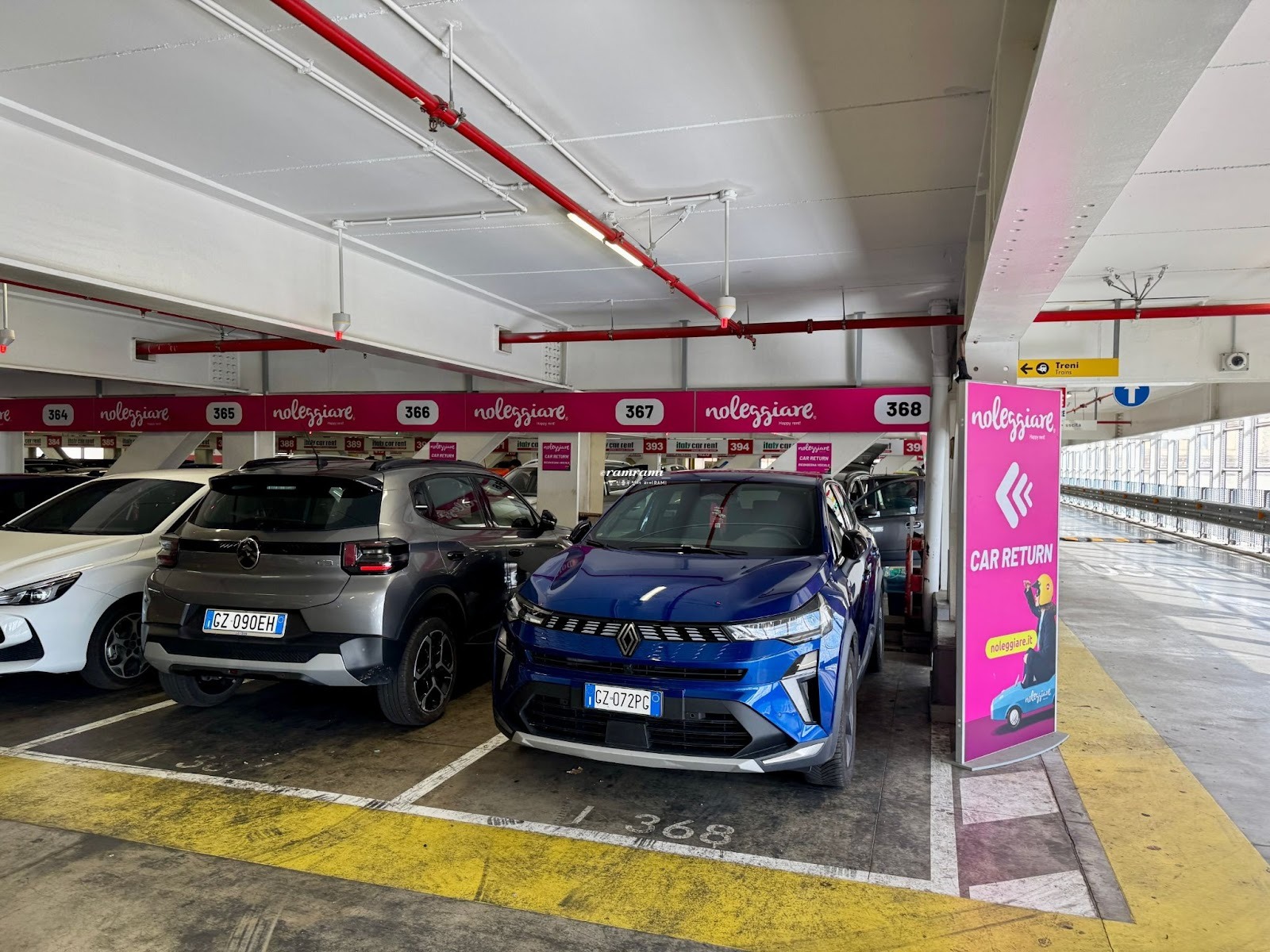
Collect the rental car.
Leave.
Efficient.
But not always optimal.
This guide answers one question only:
Is Reykjavik worth it beyond a single overnight stay?
In 2026, the answer is yes — with conditions.
1. The Temperature Myth: Cold Is Manageable. Wind Is Not.
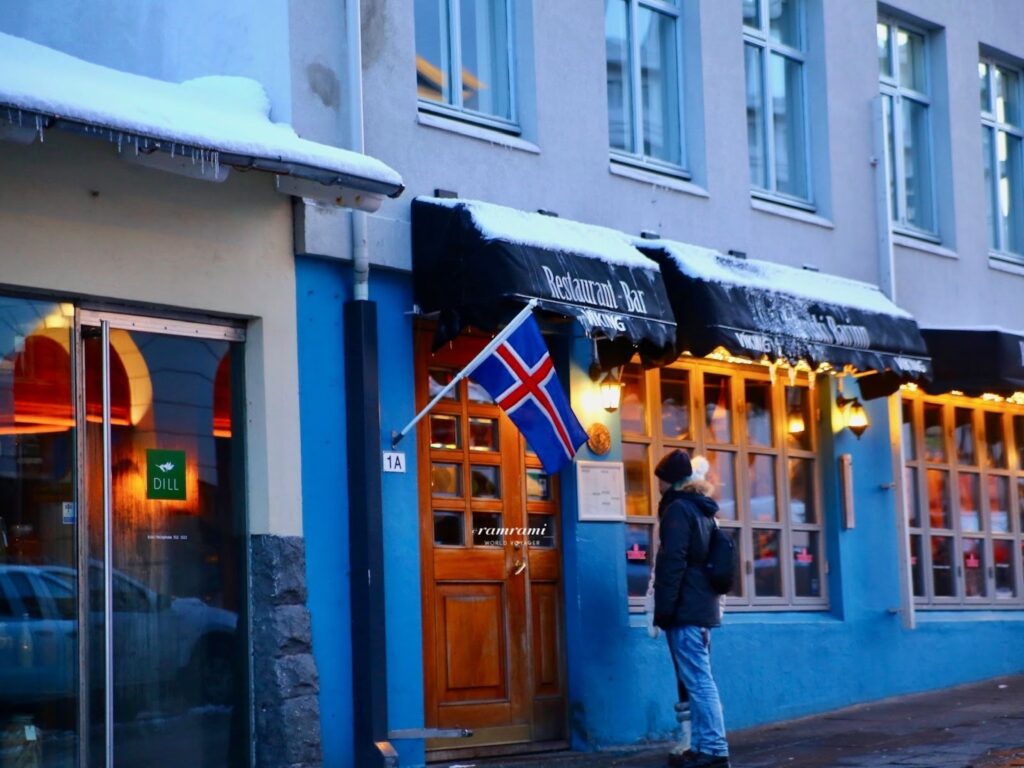
Many assume Reykjavik Iceland is an Arctic extreme.
It isn’t.
- February average: ~ -0.5°C
- Summer average: 10–12°C
- Narrow annual range due to Gulf Stream influence
The real factor is wind.
Winter gusts can exceed 20 m/s during storms.
Wind-blown car door damage remains excluded from many standard rental insurance packages in 2026.
Cold requires layers.
Wind requires awareness.
That difference shapes the experience more than temperature.
2. Safety as a Luxury: The 3 AM Test
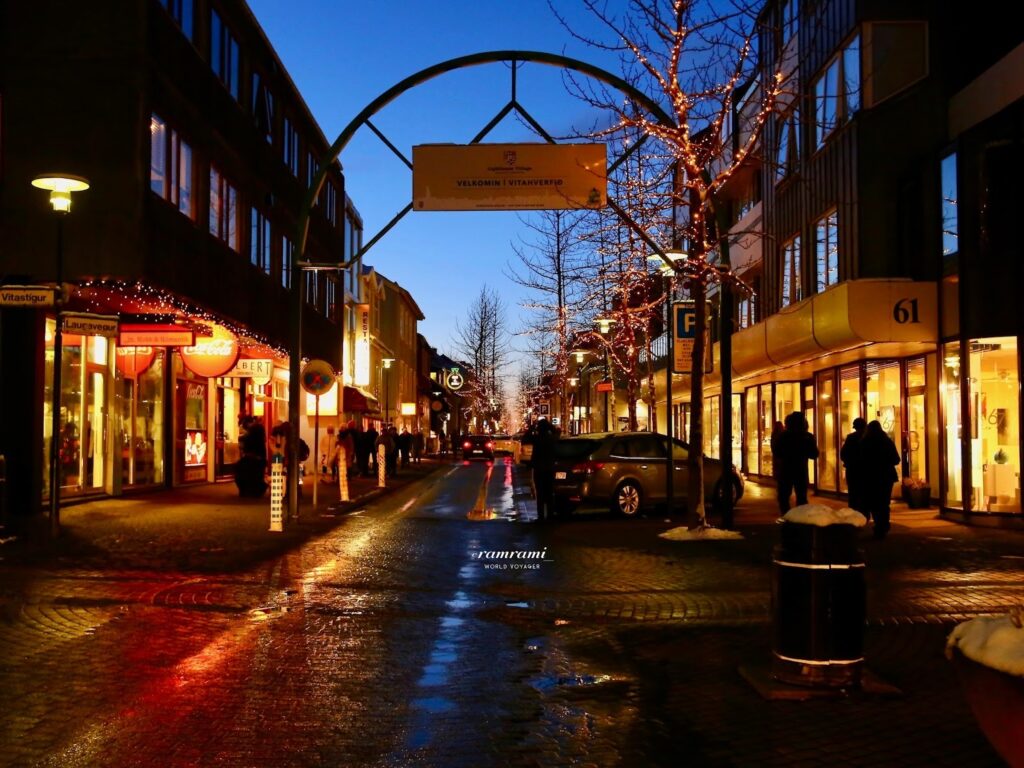
One of the strongest reasons Reykjavik is worth it is psychological ease.
Walk downtown at 3:00 AM.
No tension.
No scanning every corner.
No persistent urban stress.
Reykjavik consistently ranks among the safest capitals globally (Global Peace Index 2025).
That level of safety changes how you experience a city.
Reykjavik works better for:
- Solo travelers
- Families
- Anyone who values low-stress exploration
Trade-off:
If you define cities by nightlife chaos and constant energy, Reykjavik will feel restrained.
It is reflective, not explosive.
3. Architecture at Human Scale
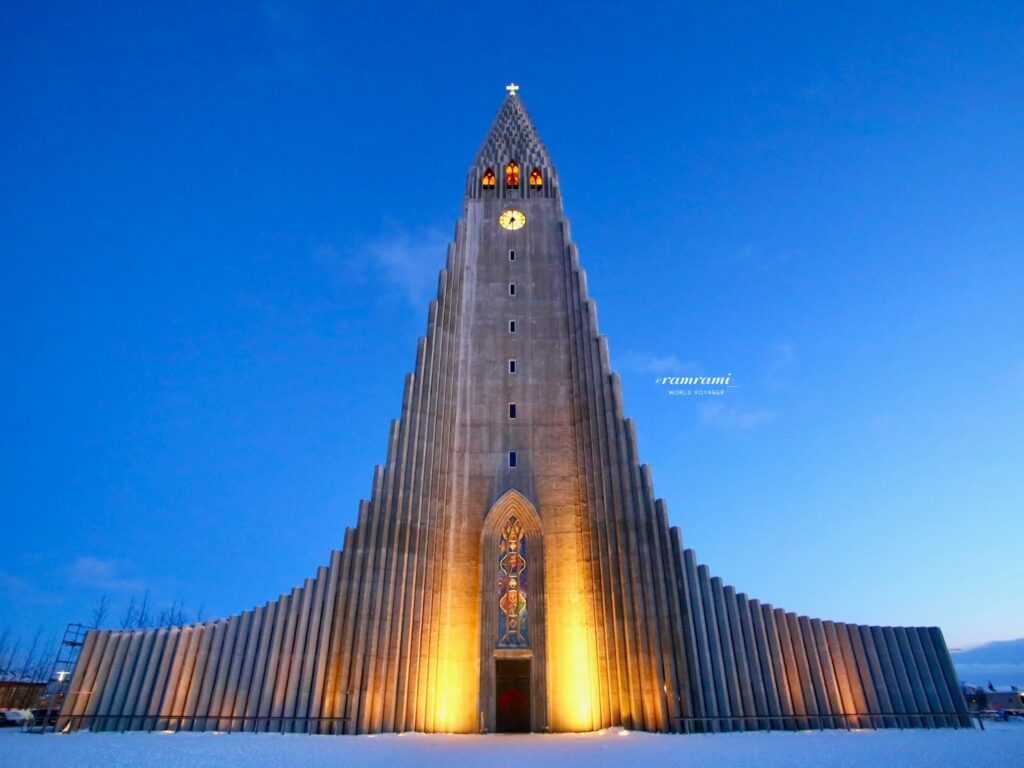
Hallgrimskirkja defines the skyline.
Inspired by basalt columns, Hallgrimskirkja is vertical, controlled, and deliberate.
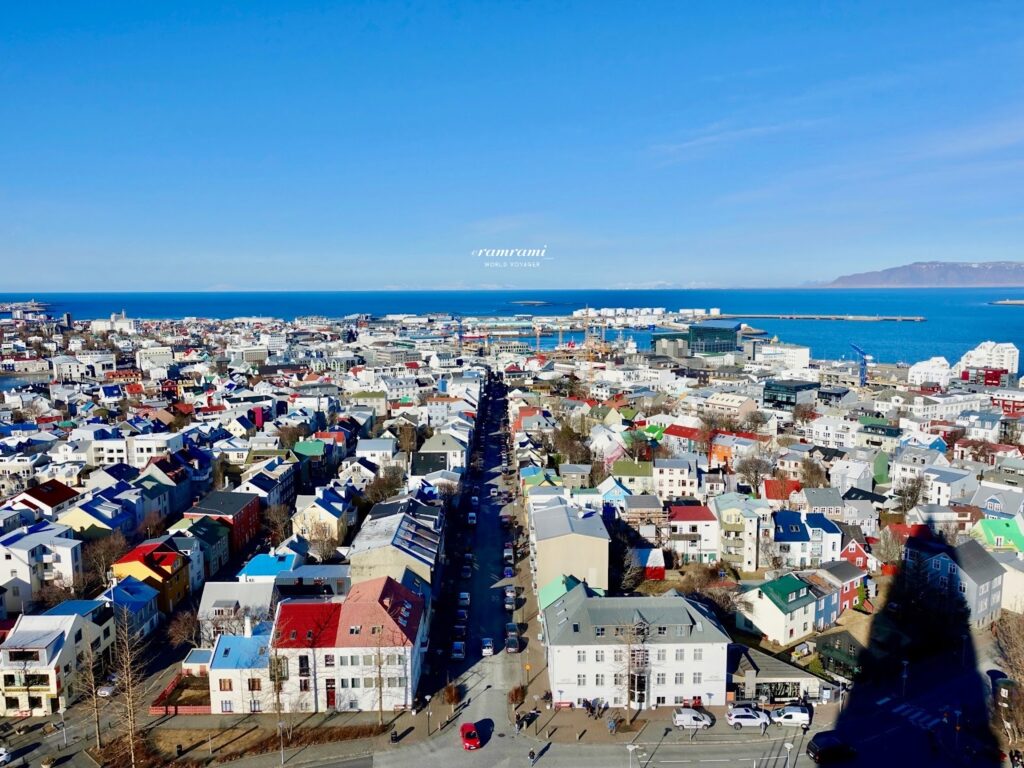
From the tower you see:
- Color-blocked rooftops
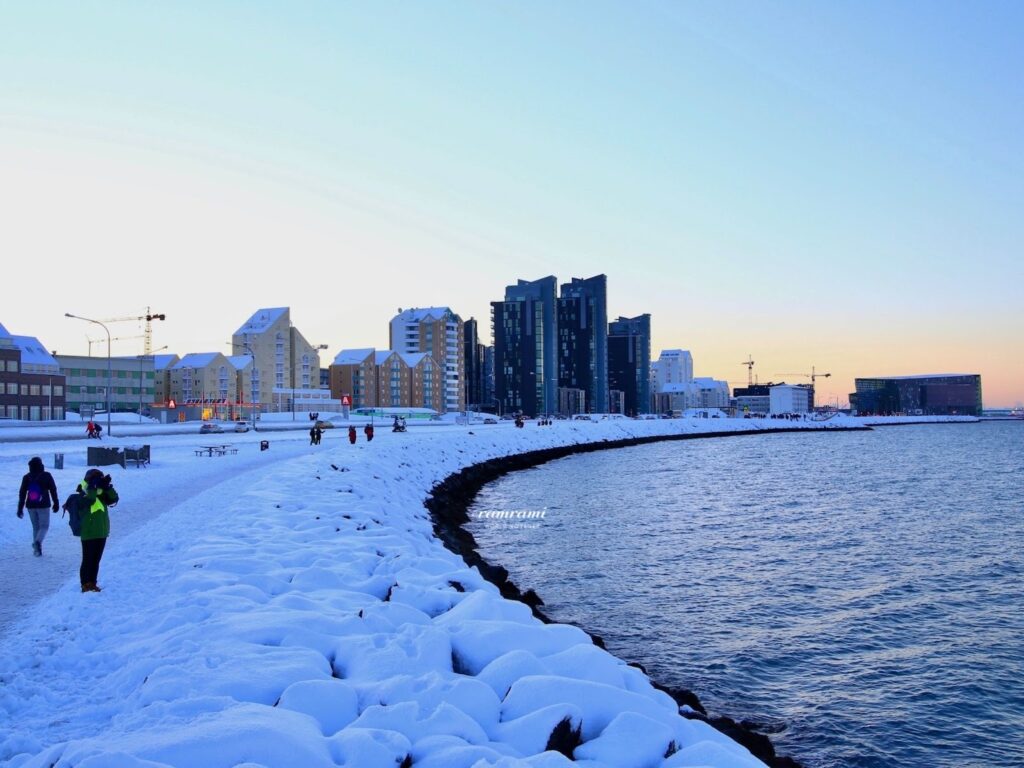
- The North Atlantic coastline
- Snow-covered mountains
Downtown Reykjavik can be crossed in 20 minutes.
Yet it never feels rushed.
Compared to Copenhagen’s design precision or Stockholm’s historical scale, Reykjavik feels distinctly human-sized.
That scale is intentional.
It matches the landscape.
4. Cost Strategy: Why Two Nights Make Sense
Iceland remains expensive in 2026.
Mid-range daily estimate in Reykjavik:
- Accommodation: $150–300
- Dining: $30–60 per meal
- Coffee: $5–8
- Total range: $180–350 per day
The key variable is duration.
Two nights are financially reasonable.
Five nights become disproportionately costly relative to what the city offers.
Reykjavik works best as a controlled urban reset — not a long metropolitan stay.
Practical Snapshot (2026)
Recommended Stay
2 Nights (1.5–2 full days)
Best Season
Winter: Northern Lights potential
Summer: Midnight Sun and festivals
Worth It If
You prioritize safety, clean air, and architectural minimalism.
Shorten Stay If
Your itinerary is under 7 days and focused exclusively on waterfalls, glaciers, and Vík.
Final Decision
Is Reykjavik worth it?
Yes — if you want to begin Iceland grounded and composed.
No — if your only metric of value is landscape density.
Reykjavik does not compete with Iceland’s nature.
It prepares you for the logistical and sensory intensity of it.Stay two nights.
Walk without urgency.
Then start the 1,332 km Ring Road.