Quick Summary
Iceland is worth it only if you prioritize risk control over a fixed itinerary.
In 2026, trip success depends on understanding the new mileage-based fuel tax, securing full insurance, and ignoring your phone’s default weather app.
These Iceland travel tips cover four failure points that actually ruin trips:
- The 2026 Fuel Revolution: Why mileage now matters more than gas prices
- Insurance as a Baseline: Why “Full Coverage” is your only real protection
- The Food & Alcohol Strategy: How to avoid budget burnout
- Official App Protocol: The only three sources of truth you should trust
Not a list of waterfalls.
Not a romantic diary.
Just a practical framework for a rewarding journey.
Not ideal for: Travelers who need fixed schedules or hate unpredictable variables.
Iceland Is Worth It Only If You Prepare for Risk, Not Just Weather
Most Iceland travel tips focus on scenery.
This one focuses on what actually causes trips to fail.
This post focuses only on preparation and risk control, not a full itinerary or attraction list.
In Iceland, the two variables that decide everything are:
- Unpredictable weather
- High daily logistics costs
Ignore either, and the trip becomes exhausting fast.
Not ideal for travelers who rely on fixed schedules, dislike long drives, or expect weather to stay predictable day to day.
Your Budget: The 2026 Fuel Tax Revolution
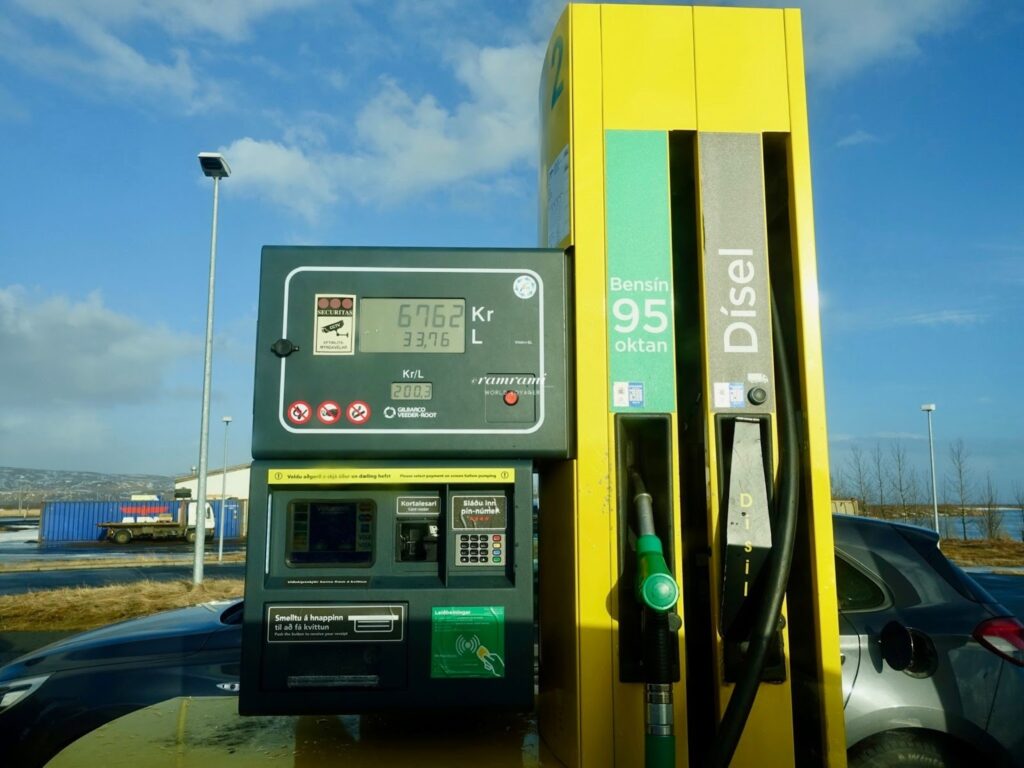
As of January 1, 2026, Iceland fundamentally changed its fuel pricing system.
What changed
- Fuel tax was removed
- Replaced by a mileage-based road tax
What this means in practice
- Pump prices dropped to roughly ISK 183–214 per liter
- Rental companies may now apply distance-based road fees
Judgement rule
– Fuel is no longer the biggest wildcard. Mileage is.
Ring Road travelers should budget by total distance, not by daily fuel spend.
This is one of the most overlooked Iceland travel tips for 2026.
Driving in Iceland: Why “Full Coverage” Is Risk Control
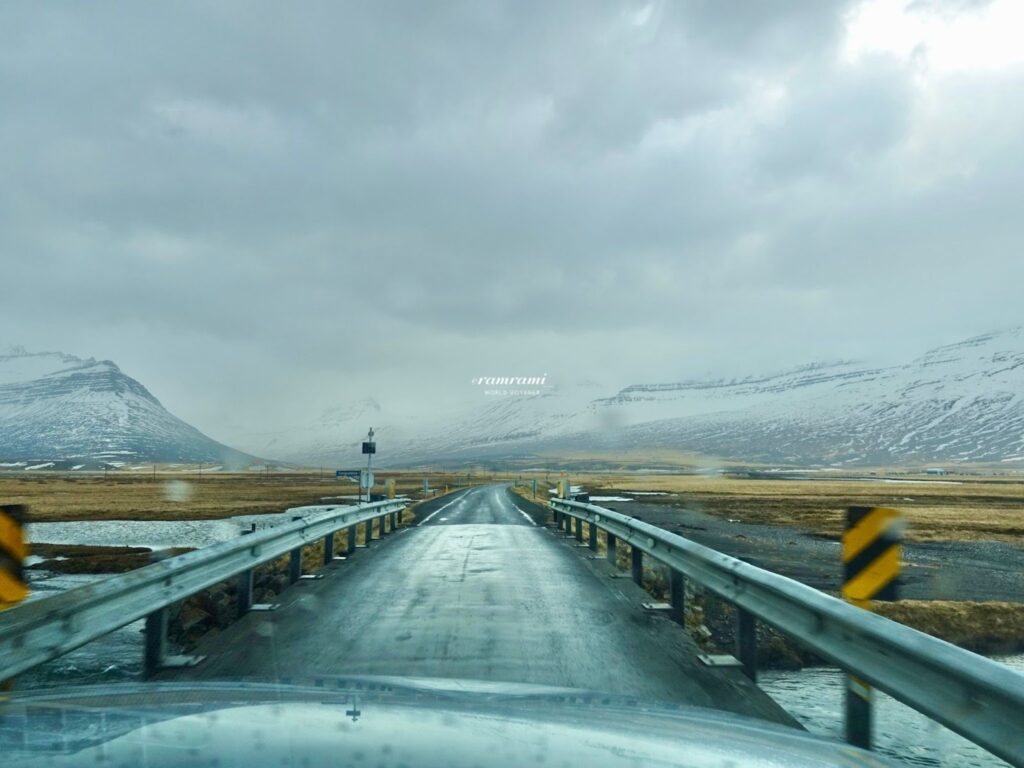
In Iceland, “full coverage” is not upselling.
It is damage prevention in a hostile environment.
What full coverage actually protects you from
- Sand & Ash (SAAP): Wind storms and volcanic dust can strip paint in hours
- Gravel damage: One stone can crack a windshield instantly
- Wind damage: Doors can bend or tear off in strong gusts
Trade-off
Paying an extra ~$30 per day is minor compared to a
$2,000–$2,500 repair bill.
Judgement rule
If you leave Reykjavík, full coverage is the baseline, not an upgrade.
Fuel, Parking, and Payments: Simple but Card-Dependent
Fuel logistics are straightforward, but there is one catch.
- Most fuel stations are card-only
- Some pumps require a PIN-enabled credit card
- Parking fees exist at select sites, not everywhere
- Tolls are limited and clearly marked
This is not complicated, but it rewards preparation.
Food Strategy: Where Budgets Actually Collapse

This is one of the most ignored Iceland travel tips.
Eating out consistently is the fastest way to lose budget control.
What works better
- Cook 60–80% of meals
- Plan intentional treat meals, not spontaneous ones
- Shop once every few days, not daily
Trade-off
Cooking saves money, but costs time and planning.
Without a clear food strategy, daily costs escalate fast.
Alcohol Rules: Buy at the Airport or State Stores Only
Iceland’s alcohol system surprises first-timers.
What to know:
- Airport duty-free is often the most convenient value point
- Regular purchases require state-run stores (Vínbúðin)
- Supermarkets may sell beer-looking products that are low or no alcohol
Plan alcohol separately from groceries.
Winter Lodging: Flexibility Beats Precision
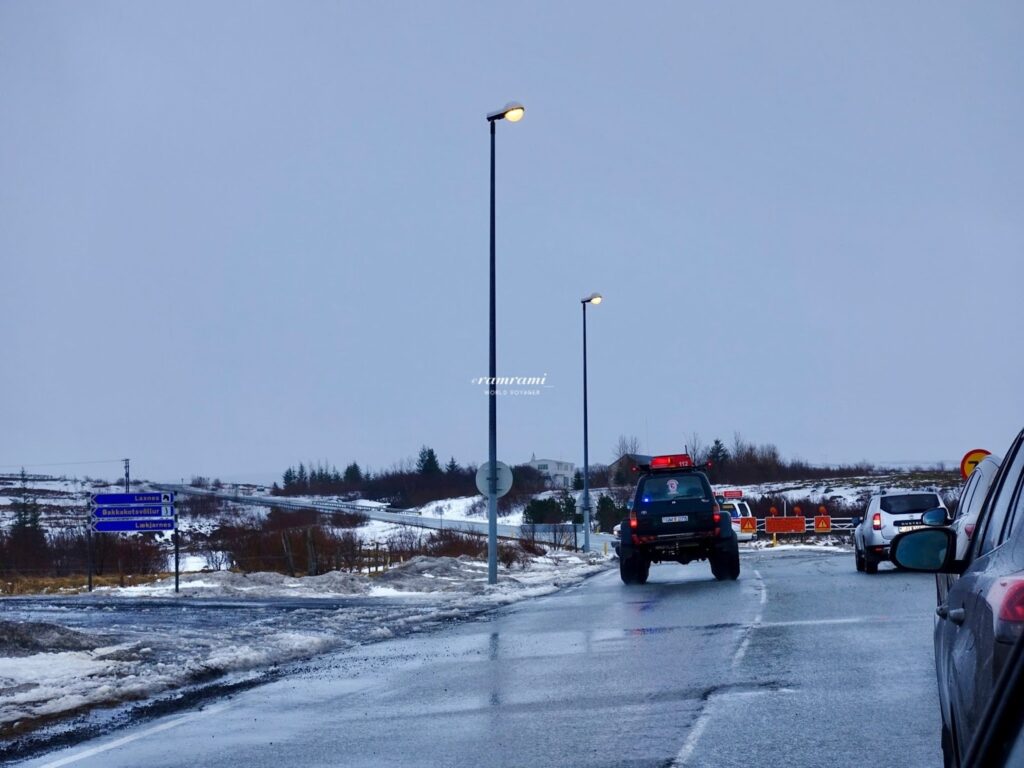
In winter, weather decides your route, not your booking.
A flexible strategy works best:
- Book the next night same day or the night before
- Choose regions, not exact villages
- Keep one buffer day if flights are tight
Fixed bookings increase stress when roads close.
Water, Heating, and Utilities: Iceland’s Hidden Advantage
Do not buy bottled water in Iceland.
- Tap water is exceptionally clean nationwide
- Bring a refillable bottle
- Hot water smells sulfur-like due to geothermal sources, but is safe
Electricity and heating are inexpensive thanks to geothermal power.
Warm houses with open windows are normal here.
Apps: The Only Sources of Truth
Default phone apps are unreliable in Iceland.
Use only official systems
- Umferdin.is: live road cameras and traffic
- Veður: Icelandic micro-climate weather tracking
- 112 Iceland: emergency support and location sharing
Judgement rule
– If an app is not official, ignore it.
Practical Block: Iceland Travel Tips Checklist
Time needed
– 7–14 days for a full Ring Road trip
Daily cost range
– USD 220–350 per person (excluding flights)
Driving
– AWD vehicle + full coverage insurance
Food
– Cook most meals, plan treats
Alcohol
– Airport duty-free or Vínbúðin only
Water
– Refillable bottle, no bottled water
Apps
– Umferdin, Veður, 112
Worth it if
– You adapt quickly and respect variables
Skip if
– You need fixed schedules and predictability
Packing List That Works in Every Season
Packing wrong turns Iceland from magical to miserable.
Essentials:
- Waterproof hiking boots
- Windproof, waterproof outer shell
- Layering system (base + mid layers)
- Lightweight insulated jacket
- Gloves and hat (wind matters more than cold)
- Swimwear (hot springs are everyday life)
- Sunglasses and sunscreen
- Lip balm and hand cream
Trade-off
Extra weight upfront prevents expensive emergency shopping later.
Final Decision Guide
Iceland does not punish bad luck.
It punishes lack of preparation.
- 3–5 days: Reykjavík base + minimal driving
- 7–14+ days: Ring Road with flexible lodging and mileage-aware budgeting
If you follow these Iceland travel tips, the country stops feeling harsh and starts feeling rewarding.